September 8, 2026 · DRUP
Olive Oil Transparency: What Should You Actually Know About Your Olive Oil?
Why most olive oil labels hide more than they show, and what a truly transparent bottle should tell you about harvest, origin, farming and quality.
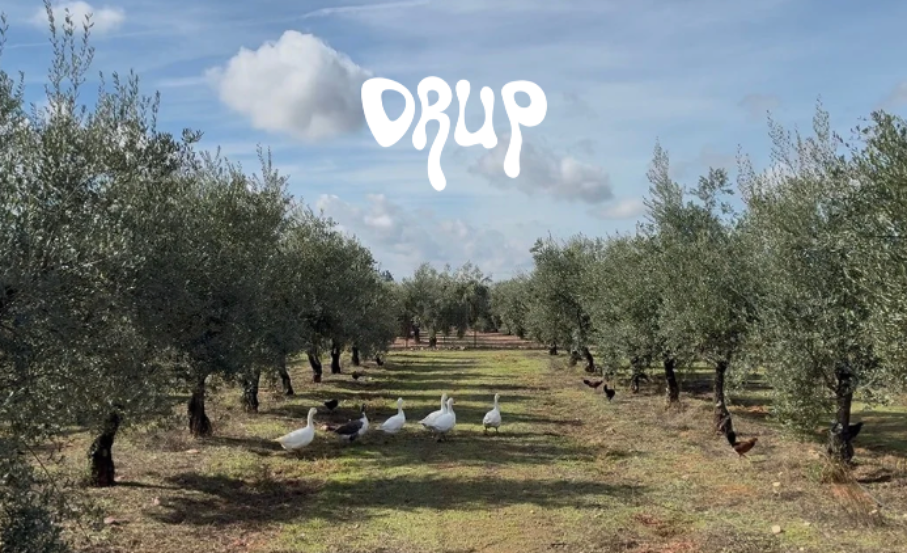
Olive oil has a transparency problem. Walk through a supermarket and you will find dozens of bottles promising extra virgin quality, tradition, craftsmanship and Mediterranean origins. But try answering a few simple questions about the oil inside:
- Who grew the olives?
- When were they harvested?
- Which olive varieties were used?
- Does the oil come from one farm or many?
- How was it produced?
- How old is it?
- Has its quality been independently tested?
For many bottles, surprisingly few of these questions are easy to answer. At DRUP, we think good olive oil should come with more information, not more marketing.
So What Does a Truly Transparent Olive Oil Actually Look Like?
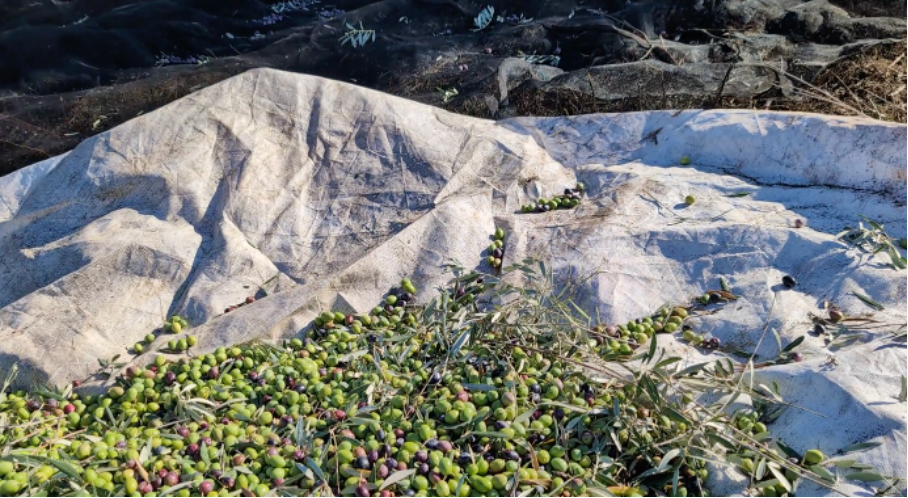
We tend to talk about olive oil as if it were one product, but there are hundreds of olive varieties, grown across different climates, soils and landscapes. Harvest timing, farming practices, processing and storage all influence the resulting oil. An early-harvest Picual from Jaén can be remarkably different from a late-harvest Arbequina from Catalonia. Flavour, aroma, bitterness, pungency and polyphenol content can all vary. In wine, we often call this terroir: the idea that a product carries the identity of the place and conditions that produced it. Olive oil has terroir too. Yet much of the olive oil market is designed to create the opposite: a consistent commodity. Oils from different farms, regions, varieties or even countries can be blended to create a standardized product with a consistent flavour. There is nothing inherently wrong with blending. But along the way, much of the agricultural identity behind the oil can disappear.
Why transparency matters in olive oil
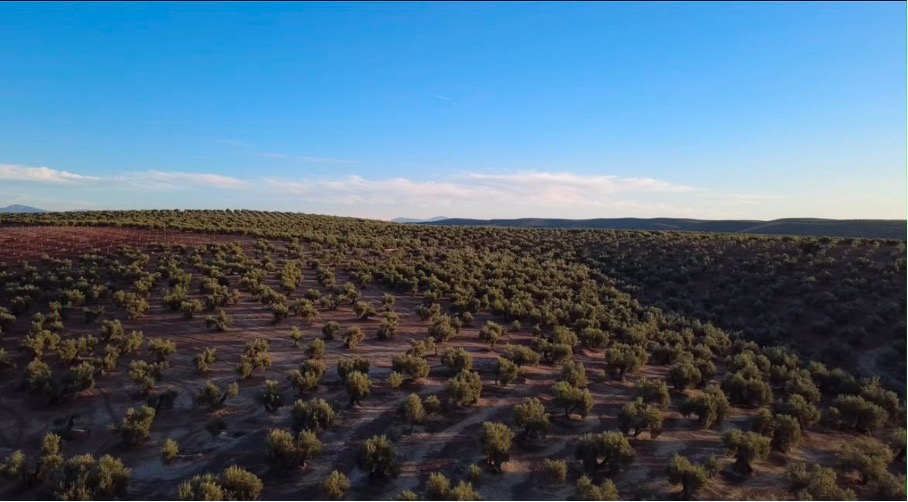
Transparency isn't just about knowing the farmer's name. It helps you understand what you're buying, how it was produced and what you're paying for.
- Freshness — Unlike wine, olive oil generally doesn't improve with age. Over time, oxidation changes its aromas and flavours and reduces some of its beneficial compounds. That makes the harvest date one of the most useful pieces of information you can have. Yet many bottles provide a best-before date without clearly telling you when the olives were actually harvested. Knowing the harvest means knowing how old your oil really is.
- Origin and identity — "Product of Spain" tells you something. Knowing the farm, region, olive variety and harvest tells you considerably more. Traceability connects a bottle back to the agricultural system that produced it. It preserves differences between varieties, terroirs, producers and farming methods instead of allowing them to disappear into a commodity. It also gives credit to the people and places actually responsible for producing our food.
- Quality and authenticity — Words like premium, artisan and high quality are easy to print on a bottle. Measurements are harder to argue with. Extra virgin olive oil is a regulated quality category with chemical and sensory requirements. Laboratory analysis can measure important characteristics such as acidity, peroxide value and other quality parameters. But for consumers, testing becomes much more useful when the actual results are visible. Rather than simply saying our oil is extra virgin or high in polyphenols, we'd rather show you the evidence. Greater transparency also adds accountability to a supply chain that has historically faced problems with mislabelling, adulteration and quality. The more light you shine on a product, the harder it becomes for something to hide in the dark.
- Farming and stewardship — Two bottles can look almost identical while coming from very different agricultural systems. Things you can't see from the finished oil include:
- How the soil is managed
- Whether cover crops are grown
- How biodiversity is treated
- Which agricultural inputs are used
- How intensively the orchard is managed
This matters because farmers don't just produce food. They manage the majority of the earths surface and have a huge effect on the healthiness of ecosystems. If extractive and degrading farming is not penalized, then farmers that invest in healthier soils, biodiversity and more resilient landscapes, need to be rewarded. One way of doing that is carrying their sustainability story all the way through the supply chain and getting a premium for their harvest. Transparency makes better farming visible.
- Trust
Olive oil is an industry consistently associated with concerns around fraud, adulteration, mislabelling and products that don't always live up to what consumers think they are buying. Transparency helps shine a light into that system. Knowing the producer, harvest, origin and farming practices, seeing the laboratory results and understanding the supply chain all make it harder for the identity of an oil to become obscured along the way. That doesn't mean transparency alone can eliminate olive oil fraud. But it creates accountability and gives consumers something more valuable: the ability to verify.
Introducing the DRUP Olive Oil Transparency Standard
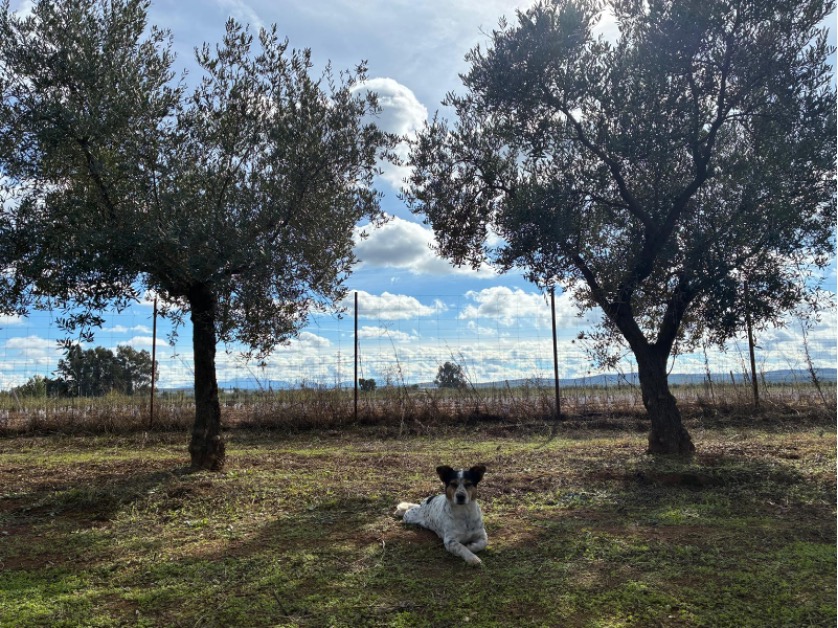
So what information should you actually expect from a transparent bottle of olive oil? We created the DRUP Olive Oil Transparency Standard to make our answer concrete. We currently look at eight areas:
- Producer — Who grew the olives and produced the oil?
- Exact origin — Where were the olives actually grown?
- Harvest — When were they harvested?
- Olive variety — Which cultivar or cultivars are in the bottle?
- Production — How and where were the olives processed?
- Laboratory results — Has the oil been independently analysed, and can you see the results?
- Farming practices — How is the orchard managed?
- Supply chain & pricing — How does the oil reach you, who is involved and where does the money go?
Transparency alone in any of these categories doesn’t guarantee exceptional olive oil, but it gives you all the information you need to determine it. Together, they give you a much clearer picture of what you're actually buying.
What this looks like for DRUP Batch 001
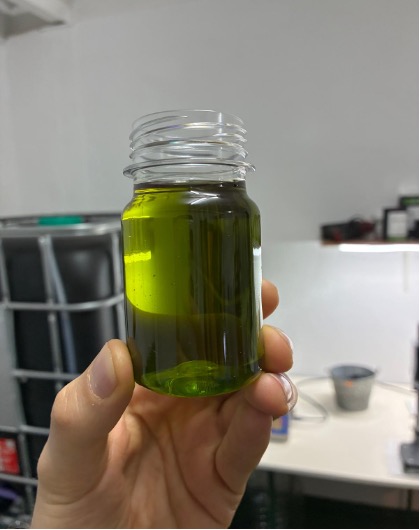
Batch 001 is our first olive oil: an early-harvest Picual extra virgin olive oil from a single family farm in Andalusia.
Batch 001 was independently analysed for quality characteristics including acidity and peroxide value, as well as its polyphenol content, which measured 514 mg/kg. We even show what we paid for the oil, bottle, labels, filling, transport and packaging, and what remains as DRUP's gross margin.
If we want farmers to invest in healthier soils, biodiversity and better products, that work needs to have economic value. Farmers are not just suppliers of commodities. They are stewards of much of our countryside. Pay them fairly, make their work visible, and better food and healthier landscapes can go hand in hand.
Olive oil is only the beginning
DRUP starts with olive oil, but the idea is bigger than one crop. Wine taught us to care about variety, vintage, producer and terroir. Specialty coffee made origin, farm and processing part of the product. Why shouldn't we expect the same from olive oil? And eventually from tea, cacao, spices and other foods whose identities have been hidden by commoditization.
That's what DRUP is about:
- Truth — make claims verifiable.
- Identity — preserve the people, place and harvest behind our food.
- Stewardship — reward those who take care of the land.
We're starting with 500 bottles of Batch 001. It's a small start, but a simple idea: Bringing diversity back to standardized food products, giving you all the information and working with sustainable farmers.
Ready to taste what this is about?
GO TO STORE